
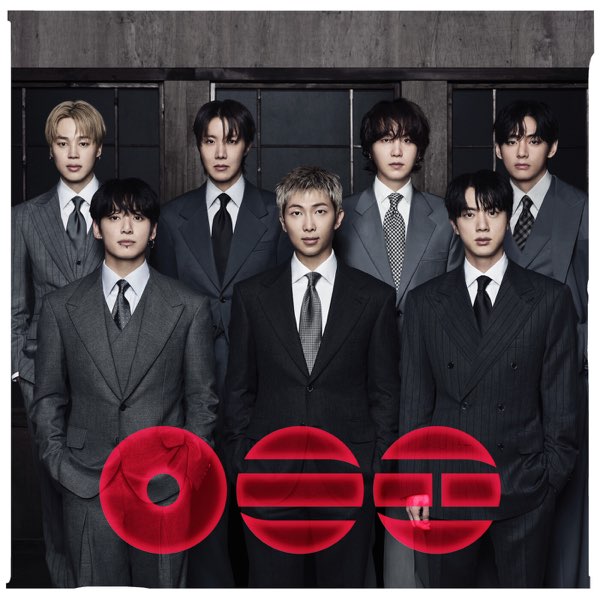
Arirang hit me as more than just “the new BTS album.” It feels like a love letter – to Korea, to ARMY, and honestly to anyone who’s ever felt too intense, too emotional, or too “out there” for whatever “normal” is supposed to be. I didn’t want to write a technical review or a deep-dive music theory breakdown; this is just me, as an neurodivergent ARMY and longtime fan, trying to put words to what these songs feel like in my body now that I can feel them and why they matter to me.
At the heart of this project is “Arirang” itself – a Korean folk song that’s been sung for generations in different regions and different eras, carrying stories of separation, longing, protest, and survival. It’s one of those melodies that holds a whole country’s feelings inside it. Hearing BTS weave that history into a modern album, and watching Korean fans respond to it with so much emotion, made me weirdly emotional too; as a foreigner who fell in love with Korea later in life, it felt like being invited to witness something deeply personal and sacred.
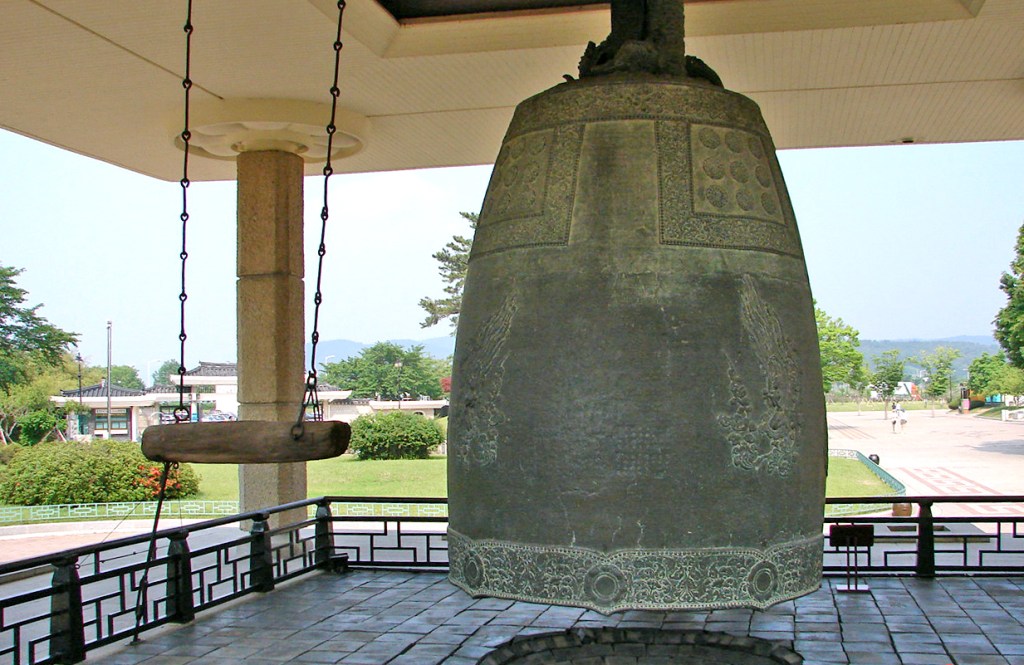
Across the album, they keep weaving modern sounds with traditional Korean elements, and big, stadium-sized moments with tiny, personal gut punches. Even the track “29,” which is literally the Divine Bell of King Seongdeok ringing, feels intentional – like a spiritual reset button placed in the middle of the chaos. After the loud, high-energy first half, “29” hits like a cleansing breath: the bell washing everything out so you can step into the more introspective second half with different eyes. Arirang is built to move you from hype to reflection, from noise to stillness, without ever fully letting go of either. A cleanse right before SWIM, which is BTS love song for ARMY.
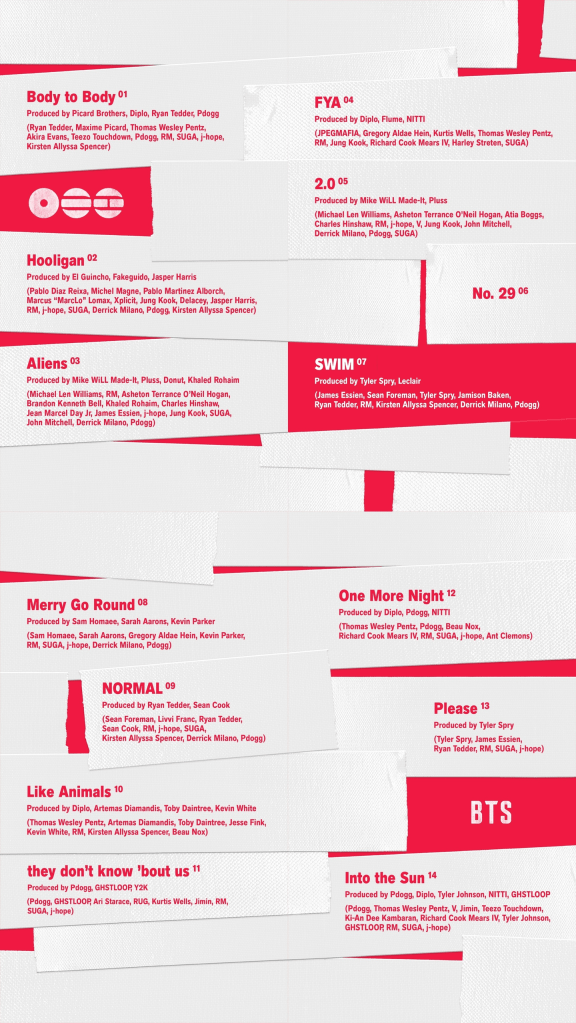
This is my track-by-track attempt to map that experience – not as a music critic, but as someone whose brain survives on lyrics, rhythm, and pattern, and who found a home in this album. And it physically hurts to not info dump my feelings around music. Music is literally what makes life worth living. Feeling music is magical.
Body to Body
“Body to Body” is an absolutely high‑octane opener. It’s a banger right off the get‑go that somehow blends modern trap with traditional pansori, even weaving the Arirang melody into the bridge. To me, this track feels like a literal invitation: it’s BTS saying “we’re back in front of you, put your phone down and be here with us.” After two years of mostly digital connection, “Body to Body” feels like a reset button for ARMY – a call to get out of our heads and back into our actual bodies in the same space as them again. It’s modern and ancient at the same time, which is kind of the whole magic of this album.
Hooligan
“Hooligan” is pure rowdy defiance. It has this grimy, rebellious energy that immediately took me back to BTS’s Dark & Wild / early‑era underdog days. Calling themselves “hooligans” here feels like a choice: even as global icons, they’re still positioning themselves as the ones who don’t fully fit the industry mold and don’t really want to. The song feels like a message to critics and doubters – and honestly to the industry – that no matter how big they get, they’re not trading in that chaotic, rule‑breaking debut spirit for something safer or more palatable. It’s swagger, but it’s also a reminder that their success never canceled out their bite.
Aliens
“Aliens” is the outsider anthem of the album. It taps into that feeling of being from the same planet as everyone else but somehow not built the same, like you’re watching ‘normal’ from just off to the side. The chorus is stupidly catchy, but underneath the hook it feels like a roll call for every kid who grew up believing they were too weird, too intense, too much. Instead of trying to fix that, the song leans all the way in and turns it into a flex: if being like this makes us aliens, fine – we’ll be aliens together. then drops you straight into RM’s verses about being the only fluent English speaker in high‑stakes rooms, carrying the pressure of translating not just language but culture for everyone. It’s impossible not to think about all the Western interviews where BTS is trying to be polite and present while people keep pushing, “Say it in English,” like Korean isn’t enough. 어쩜 그래 Shameless.
Fya (Fire)
“Fya” is where my BTS world and my EDM world crash straight into each other as this song was produced by Diplo and Flume. This one is all nervous system for me – it’s not a thinky song, it’s a body song. The beat, the drop, the way it builds and then explodes feels exactly like being on a dance floor when the DJ finally plays the track everyone’s been waiting for. Lyrically and sonically, it’s them saying “stop overanalyzing, this is the moment, burn it all down and start again.” This is the song where I stop acting normal, start yelling “everything lit, it’s fire,” and let my body do whatever it wants. I cannot twerk to save my life, but I am absolutely throwing ass to this song anyway.
Normal
“Normal” is the masking song. It is soaked in neurodivergent energy, and for me it has Jungkook’s ADHD and Yoongi’s very‑obviously‑autistic vibe all over it. The chorus hooked me immediately: “kerosene dopamine, chemical induced” and “show me hate, show me love, make me bulletproof, yeah we call this normal” – it felt like they were calling out the way we burn ourselves out chasing stimulation and survival and then pretend that’s just how life is. The part that rips me open is J‑Hope and Suga’s verses: “How am I supposed to feel? Used to think I was built with a heart made of steel / Now I understand the truth, some pain don’t heal / If everything’s just happy, that ain’t real.” I fully agree – we’ve been lied to that we’re supposed to be endlessly happy and that time magically heals everything, when in reality some pain just becomes part of you, and masking it away doesn’t make it disappear.
And then Suga comes in. I joke that I can’t say our lives parallel because he’s a global superstar, but his emotions feel freakishly close to mine. When he says “I breathe everything out like a thousand times,” it hits that skill we’ve had to learn: breathing our way through things instead of fixing them. “Normal and special, they are just some lines” calls out how fake those categories are. Then the knife: “One deep sigh then it slips away, fades away / What I try to keep never want to stay” And that’s how lonely it gets.” Followed by: “Runaway, pushing me, pulling me / Said you wanted all of me, but what even is all of me? / Suddenly part of me is haunting me / Heard they say that thing’s calling me / What the hell you want from me?” His writing is brutal and so heavily relatable to my autistic regression and unmasking era that this song basically feels like my spine.
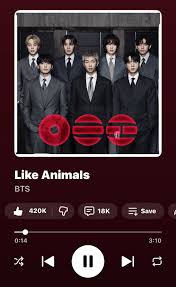
LIke Animals ** ( My favorite )
“Like Animals” is my favorite track on the entire album. Part of why it hits so hard is that Suga isn’t just rapping here – he’s singing, which already makes the song feel more exposed and intimate. He opens with “take me into your deep, I want to lay in your world,” which lands like a pure neurodivergent request: let me into your inner universe, because mine has never matched what’s considered “normal” either. And it also seems like vulnerability coming from him as he opens up his feelings often through his lyrics, just as I send them to others when I can’t find the words. When he follows it with “so what your shadow’s a mess, I’m walking with my own dirt,” it stops being hypothetical and becomes real acceptance – not the cute social‑media kind, but two people whose flaws are fully on the table.

Then Kim Taehyung comes in with “do speak, I’m begging you please, there’s beauty outside control,” and that line just wrecked me; I heard it once and burst into tears. It hits the part of me that has previously clung to control to feel safe, while someone I trust is gently insisting there’s a different kind of beauty in letting go. Between the melody, their voices, and those lines, this song goes straight for my soul and makes me feel genuinely seen in a way most music doesn’t even get near. And over all of this, Park Jimin has the voice of a fucking angel, tying the whole song together.
Arirang is one of those albums that keeps unfolding the more you sit with it. The first listen was fun; the fifth and tenth listens started touching old wounds, strange memories, and parts of myself I’d half decided were “too much.” What I love most is that BTS don’t try to tidy any of that up – they make space for grief, rage, longing, pride, and that weird alien feeling of not fitting anywhere, and they don’t apologize for any of it.
If you’ve ever felt like you were watching life from the sidelines, masking your real self, or loving things “too hard,” I hope something in this album – or in my rambling about it – makes you feel a little less alone. At the very least, I hope you end up yelling along to these songs the way I am: off-key, over-invested, and exactly where I’m supposed to be.
 Swipe Left On Perfection
Leave a comment