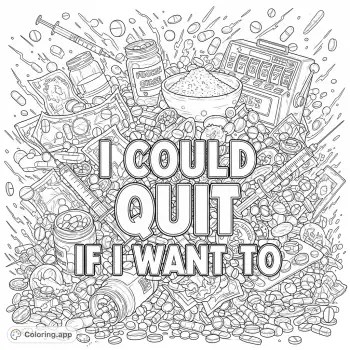
For a long time, my life was defined by the “chase.”
As a woman navigating the world with late-diagnosed AuDHD, my brain has always been loud. But for years, I didn’t have the luxury of listening to it. I was a full-time caregiver, which meant I was trained to put everyone else’s pulse before my own. I was the rock, the stabilizer, and the one holding the world together while my own support needs were screaming for air.
The Systemic Gap: DIY Survival
As a personal trainer, I lived in the “Medi-Cal Gap.” One month I’d make “too much” to qualify for state aid; the next, a few clients would shift and I’d be back in the loop with no insurance at all. Without steady medical care, I was met by “experts” who dismissed my neurodivergence and overlooked my pain. or I couldn’t find steady medications that helped manage symptoms. And regardless of whether or not you believe they help, I did find relief in SHORT term doses and breaks.
Looking back, I realize I couldn’t understand ‘intentionality’ because I wasn’t the one in the driver’s seat. NOt steadily enough yet if we may be honest. At this pint, I didnt even know I was Autistic.
Back then, being told to ‘set an intention’ in a yoga class would actually piss me off because I had no idea what that was even supposed to mean. I’m a VERY literal thinker it felt like a performative wellness hurdle I was failing at while I was just trying to survive. This wasn’t just a ‘lifestyle choice’; I was a full-time caregiver navigating a broken medical system, trapped in the Medi-Cal gap where ‘experts’ dismissed my AuDHD and overlooked my pain. I was carrying the unprocessed grief of my aunt’s passing and the exhaustion of workplace abuse while drowning in everyone else’s needs, navigating relational trauma with a partner who was doing the same and using drugs to escape my own at times.
When you are suicidal and the world is bearing down, you don’t look for ‘wellness’—you look for an exit. I reached out to a person I felt closest to, and I felt nothing but burdensome finally discussing the weight that was bearing on my shoulders. and that proved to be the case. TOO heavy. Sometimes we have the intentions of helping our loved ones in their mental help crisis and have the best intentions. even GOOD intensions. I’ve learned our impact means more than most intentions ever could. I sought out anything that would make the world feel quieter, self-medicating a life that felt structurally impossible to sustain.
The Ritual of the “Padding”
As a personal trainer, I lived in the gym. But the sensory overload and the emotional weight of “always being on” started to ache. To cope, I created a ritual: I started smoking before I worked out.
I told myself it was to quiet my ADHD brain, but in reality, it became a crutch. It was a way to avoid discomfort, both physical and emotional. I was using “wellness” as a high-performance mask to hide the fact that I was still running away from myself.
The “Shortcut” to Unmasking
Then, I found raving. I found a community of fellow neurodivergents where I felt I could finally breathe. But I started using drugs again to “expand my mind.” I tipped into a place where I felt better when I was high than when I wasn’t.
I thought I was “unmasking.” I thought the drugs were giving me a shortcut to my truest self. But as many of us eventually learn, that “freedom” comes with a cost.
The Night the Music Stopped
My decision to stop, to move toward a Cali Sober life, didn’t happen in a vacuum. It happened after a show where I realized I had completely lost my calibration. and the time after I tried to numb out but told myself that the fact I had hurt someone, breaking habits was more important. It took me 9 tries to quit smoking cigs but I made it and here we are, still cig free. These drugs and the times I had when I was on them for the means and irresponsibility of my use of them, I am glad I was also able to make the decision to educate myself and work through my inner healing which was the main culprit even over the drugs…. Irony is….It was when I stopped taking it that I’ve actually felt the most high at shows. lol I get to use my natural high, even if that means Im only good for like 4 hours.
I was intoxicated on acid and, in my mind, I felt a deep, spiritual connection with a past lover. But because I was so far “gone,” I couldn’t read the room. I didn’t realize until later that my touch was unwanted, that he was uncomfortable, and that I had completely bypassed his boundaries.
I was so busy “expanding” that I stopped being a safe person. That was the moment the “magic” died. I realized that if I can only be my “true self” when I’m high, then I’m not actually free. and that realization came swift and fast. It kicked me right in the identity. All I had ever known was being the safety for others, so I thought. But it was never too late to do the right thing. For me, that was learn how the second R in PLuR that we can sometimes forget. RESPONSIBILITY.
A Theory for the Community
I’m sharing this because I see a shift happening. In the fitness and wellness world, we often use “optimization” to hide addiction. We swap one bottle for a supplement or a squat rack, but the escapism remains the same.
I want to offer this as a theory to consider, not a judgment: Is your wellness routine a bridge to your life, or a wall hiding you from it?
If you are in that loop, I want to offer three small hopes:
- Check your “Why”: Are you training to feel your body, or to escape the feeling of being in it?
- Find a “Call-Out” Crew: Surround yourself with people who love you enough to tell you when you’re drifting. I’m so grateful that after I chose to be intentional, one of my closest rave friends did the same.
- Be Responsible: If you choose to use, test your substances. Don’t let a search for connection lead to a permanent disconnect.
The Reality Check: How to Rave (and Live) with Intention
I’m not here to be the “Recovery Police.” I’m a raver, a trainer, and a human who has made every mistake in the book. But if my story of “tipping over the edge” resonates with you, I want to ask you to consider a few things for your own safety—and the safety of the people around you.
1. The “Sober Rave” Experiment I used to think being sober at a show was impossible for an AuDHD brain. I thought the sensory input would be too much without the “padding.” But honestly? Being sober at raves is actually pretty fucking awesome. You remember the sets….better. I still get overstimulated when excited which makes me forget things but more regulated. and MANAGBABLE. You feel the bass in your bones without the fog. You have real, coherent conversations. Most importantly, you own your movements and your boundaries 100%. If you’ve never tried it, give yourself one show. You might be surprised at who you find there.
2. Test Your Sh*t If you are going to use substances, the “Health Halo” doesn’t protect you from bad chemistry. Please, be responsible. Test your drugs. We live in a world where “expanding your mind” can turn into a permanent “off switch” because of a bad batch. Don’t gamble with your life for one night of music. Dancesafe.org is a great option. You will find these volunteer pop ups frequently at shows. stop by a tent, test your drugs, or at least get informed.
1. Drug Checking Services & Kits
DanceSafe is most famous for their testing kits, which allow you to check for adulterants (like fentanyl or xylazine) before you consume a substance.
- Testing Kits: They sell reagent kits for specific substances (MDMA, LSD, Ketamine, Cocaine) that turn different colors to indicate the presence of certain chemicals.
- Test Strips: They offer highly sensitive fentanyl and xylazine test strips, which are critical in today’s unregulated market.
- On-Site Testing: At many festivals and raves, DanceSafe sets up booths where you can bring a small sample of your substance to be tested on-site by trained volunteers.
2. Education & “Info Cards”
They produce “Drug Info Cards” for almost every common substance. These aren’t just “don’t do drugs” pamphlets; they provide objective, non-judgmental information on:
- Dosage & Effects: What to expect and how much is typically considered a “standard” dose.
- Safety Warnings: Specific combinations to avoid (e.g., mixing certain substances with SSRIs or alcohol).
- Recovery: How to take care of your body after a night out.
3. “We Love Consent”
Beyond drug safety, DanceSafe has a major program called WeLoveConsent, which focuses on sexual health and bodily autonomy within the nightlife community. They provide education on asking for consent, recognizing boundaries, and supporting survivors.
4. Harm Reduction Supplies
If you visit their booth at a festival, you can often find:
- High-quality earplugs (crucial for protecting your hearing as a long-time raver).
- Electrolytes and water.
- Safe snorting kits (to prevent the spread of Hep C).
- Condoms and lubricant.
How to Use Them for Your Journey
Here’s a link directly: dancesafe.org. It’s a great place to:
- Buy a “Complete Set” of reagents to keep in your “rave kit” at home.
- Download their digital instructions so you know exactly how to read a test result.
- Volunteer: They are always looking for people in the community to help staff booths and spread education.
3. The Designated Driver is a Hero This is non-negotiable: Don’t drive intoxicated. Get a responsible driver, call a car, or stay put until the sun comes up. When we are high, we think we are in control, but as I learned the hard way, our “calibration” is a lie. You can make people uncomfortable by being unknowlingly aggressive or forward. Don’t let your “good vibes” be the reason someone else doesn’t make it home.
4. Check Your “Why” Are you taking that hit to enhance the music, or to escape the person standing next to you? Are you using wellness to heal, or to hide?
The Final Beat
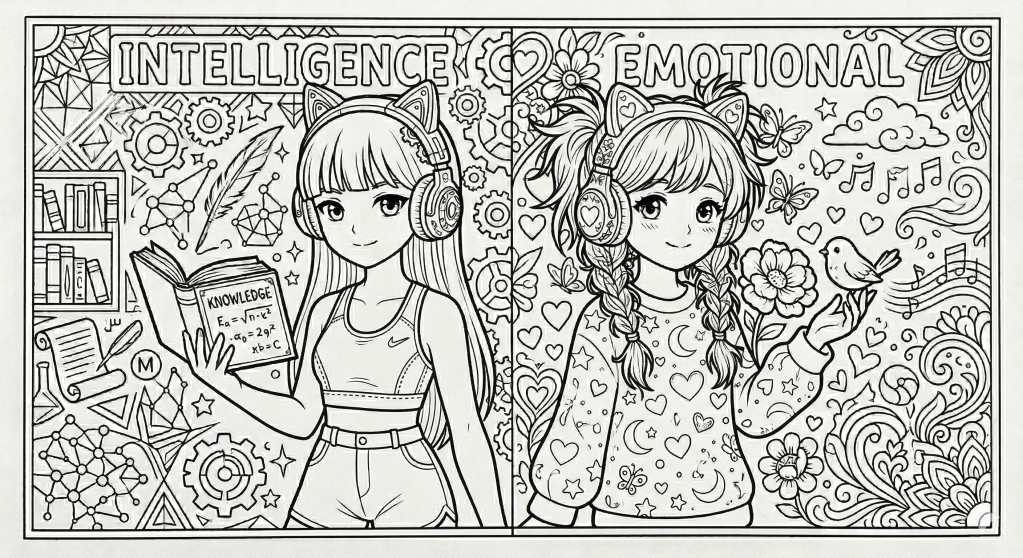
Choosing to be Cali Sober and intentional hasn’t made my life “boring.” It’s made it real. I’ve traded the shortcut of a drug-induced “unmasking” for the long, rewarding road of actual self-discovery. And as I would come to learn, it actually helped me learn to emotionally regulate my emotions with a small support system of friends who I reached out to and a lot of self reflection and feeling. and along the way, learned how to harness my emotions into my creativity. In my spare time, I’m a writer and live for crafts. I have begun creating coloring pages as illustrations for my book.
I’m still in the gym. I’m still at the front left speaker. But now, I’m making my own choices, I’m aware, and I’m intentional. I hope that by sharing the messy parts of my journey, you feel empowered to do the same.
Stay safe, stay weird, and stay present.
 Swipe Left On Perfection
Leave a comment